Ever wondered how your property can make a positive impact on the environment and your community? Sustainable property development is more than just a trend, it’s a way for North Carolina landowners to protect their investment, support local communities, and help the planet. In this guide, you’ll discover what sustainable property development means, why it matters, and practical steps you can take to make your property part of a brighter, greener future.
What Is Sustainable Property Development?
Sustainable property development means designing, building, and managing properties in a way that meets today’s needs without harming future generations’ ability to meet theirs. It’s about balancing economic goals, social responsibility, and environmental care. For North Carolina property owners, this could mean anything from choosing energy-efficient materials to protecting nearby streams and forests during construction.
When a public project like a new highway or utility line impacts your land, sustainability takes on an even bigger role. Public agencies are increasingly expected to consider environmental responsibility, not just cost and convenience. By understanding sustainable property development, you’ll be better prepared to ask the right questions and make choices that benefit both you and your community.
Why Environmental Responsibility Matters for Property Owners
Taking care of the land isn’t just good for nature, it’s good for your bottom line. Properties developed with environmental responsibility in mind often see higher long-term value and lower operating costs. Here’s why that matters:
- Energy efficiency can reduce your bills and make your property more attractive to buyers or tenants.
- Healthy landscapes can prevent problems like flooding and erosion, saving money on repairs.
- Communities with green spaces and clean water are simply better places to live and work.
For North Carolina property owners facing eminent domain, understanding these benefits can help you advocate for fair compensation and responsible project planning. You have a say in how your land is treated, don’t be afraid to ask about environmental impacts or request that public projects use sustainable practices.
Key Principles of Sustainable Property Development
Sustainable property development isn’t one-size-fits-all. It’s a set of principles you can apply in ways that fit your goals and resources. Here are some of the main ideas:
Site Selection and Land Use
Choosing where and how to build makes a huge difference. Avoiding sensitive areas like wetlands and forests, protecting wildlife habitats, and minimizing the amount of land disturbed are all part of environmental responsibility. In North Carolina, many public projects must follow state and federal guidelines to protect these areas, but it’s worth double-checking how your property is treated.
Energy and Resource Efficiency
Buildings use a lot of energy and water. Using efficient lighting, insulation, low-flow fixtures, and renewable energy can save money and reduce your property’s impact. Solar panels, for example, are becoming more common across North Carolina, not just in cities but on rural properties, too.
Healthy Materials and Indoor Air Quality
The products you use to build or renovate matter for both people and the planet. Look for low-VOC paints, sustainably harvested wood, and materials made with recycled content. These choices can improve indoor air quality and reduce your exposure to harmful chemicals.
Stormwater Management and Landscaping
In North Carolina, heavy rain is a fact of life. Sustainable development uses landscaping features like rain gardens, bioswales, and permeable pavement to keep rainwater out of storm drains and on your property, where it can help your plants and recharge groundwater. Keeping mature trees and planting native species also supports local wildlife and reduces maintenance.
How to Make Your Property More Sustainable
If you’re developing new land or making improvements, you don’t have to do everything at once. Start with changes that make sense for your property and budget. Here’s how you can put sustainable property development into action:
- Get a site assessment. Learn about your property’s soils, water features, and wildlife before building or changing anything.
- Work with professionals who understand local regulations and sustainable design. Architects, builders, and landscapers with green building experience can help you avoid costly mistakes.
- Choose energy- and water-saving upgrades, like LED lighting, better insulation, and efficient fixtures.
- Think about solar. Even a small solar array can lower your bills and boost your property value.
- Use native plants in your landscaping. They need less water and care, and they attract helpful insects and birds.
- Reuse or recycle building materials when possible. Salvaged wood and fixtures can add character and reduce waste.
Small steps add up. Even if you’re only able to do a few things now, you’re setting your property up for long-term success.
Sustainable Development in the Face of Eminent Domain
If your property is threatened by eminent domain, a process where the government takes private land for public projects, you might feel like you have little control. But you still have rights, and understanding sustainable property development can help you protect both your interests and the environment.
Public agencies are required to consider environmental impacts before moving forward with projects. This often means conducting studies on wildlife, wetlands, and water quality. If your land is being acquired, it’s important to ask for details about these studies and how the project will address environmental responsibility.
You can also advocate for:
- Minimizing the amount of your land taken, especially in sensitive areas.
- Requiring the use of green building practices in any new construction on or near your property.
- Ensuring that compensation includes the value of lost trees, wetlands, or other natural features.
- Requesting that land taken for public use is restored or improved in a sustainable way, such as planting native trees or creating community green spaces.
By understanding the process and asking the right questions, you can help ensure that public projects are planned with both people and the planet in mind.
Community Impact and Long-Term Benefits
Sustainable property development doesn’t just help individual owners, it benefits entire communities. Projects that protect water, preserve open space, and use energy wisely make North Carolina towns and neighborhoods stronger and more attractive.
Local governments are starting to adopt sustainability goals, and public support for green projects is growing. By making your property part of this movement, you contribute to cleaner air, healthier water, and a better quality of life for everyone. Plus, sustainable properties often hold their value better over time, which is good news if you ever plan to sell or pass your land on to future generations.
Practical Example: Turning a Rural Lot into a Sustainable Asset
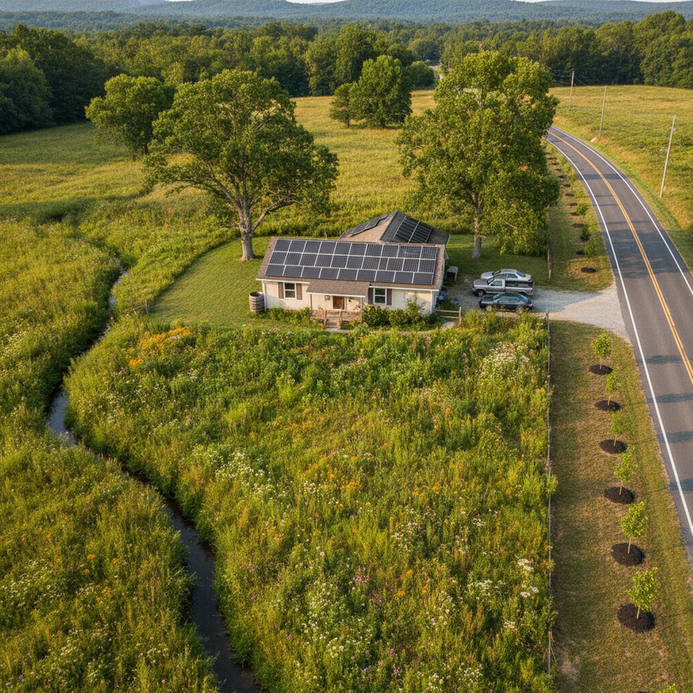
Imagine you own a few acres outside a small North Carolina town. A new public road is planned nearby, and you’re worried about how it might affect your land. Here’s how you could put sustainable property development into practice:
First, you contact local experts to assess your property’s natural features. You discover a small stream and several mature oaks that provide important habitat. Before the road is built, you work with the project planners to make sure the stream is protected with a buffer zone. You also ask that any land cleared for the road is replanted with native wildflowers and trees.
On your remaining land, you install a few solar panels, switch to energy-efficient lighting, and use rain barrels to collect water for your garden. Over time, you notice lower utility bills and more birds and butterflies in your yard. When it comes time to sell, buyers appreciate the care you’ve put into the property and are willing to pay a premium.
Tips for Getting Started with Sustainable Property Development
The first step is to learn about your land and set practical goals. Here are a few tips to help you begin:
- Research local and state sustainability guidelines. North Carolina has resources to help property owners with green building and land management.
- Look for funding or incentives. Grants, rebates, and tax credits may be available for energy efficiency, solar power, and conservation projects.
- Connect with local organizations. Conservation groups, county extension offices, and green building professionals can offer advice and support.
- Document your efforts. Keep records of improvements, materials used, and any certifications or incentives received. This can help with future sales or compensation claims.
Remember, sustainable property development is a journey, not a one-time project. Each improvement, big or small, helps protect your investment and your community.
Conclusion
Sustainable property development gives North Carolina landowners the chance to make smart choices for their property, their wallets, and the environment. Whether you’re facing eminent domain or just want to improve your land, every step toward sustainability adds value and peace of mind. Contact us to learn more.