Ever wondered what happens if the government wants to take your land for a new road, school, or utility project? If you own property in North Carolina, understanding north carolina condemnation property owner rights is essential. In this guide, you’ll learn what condemnation means, your legal rights as a property owner, how the process unfolds, and how to make sure you get fair treatment every step of the way.
What is Condemnation in North Carolina?
Condemnation is the legal process where the government, or sometimes a utility company, takes private property for public use. This could be for highways, schools, pipelines, or other public projects. In North Carolina, this process is governed by state law, which sets out how property can be acquired and what rights you have as a property owner.
The power the government uses to take land is called eminent domain. But having this power doesn’t mean property owners are left without options. You have specific rights and protections under North Carolina law.
Key Rights of Property Owners in Condemnation Cases
If your property is targeted for condemnation, you might feel overwhelmed. The good news is that north carolina condemnation property owner rights are designed to protect you through each stage of the process. Here are the most important rights you should know about:
The Right to Notice
You must be notified before any action is taken against your property. This notice will typically explain why your land is needed and which agency is involved. It’s your first sign that a project may affect you. Always read these notices carefully and keep copies for your records.
The Right to Just Compensation
The North Carolina Constitution guarantees that if your property is taken, you must be paid just compensation. This means you should receive the fair market value for your property, not whatever the agency first offers. The goal is to put you in the same financial position as if your property hadn’t been taken.
The Right to Challenge the Taking
You don’t have to accept the government’s decision or its offer. If you think the taking isn’t truly for public use, or the compensation isn’t fair, you can challenge it in court. This is a powerful protection that gives you a real voice in the process.
The Right to Representation
You have the right to hire an attorney to help you navigate the condemnation process. An experienced lawyer can help you understand the law, negotiate for better compensation, or defend your rights in court if needed.
The Right to Stay on Your Property (for a Time)
Even when condemnation proceedings start, you usually have the right to remain on your property until all legal steps are completed and compensation is paid. This gives you some time to plan your next move.
The Condemnation Process Step-by-Step
Understanding how condemnation works in North Carolina can help you prepare and respond effectively. Here’s a closer look at each step.
1. Project Planning and Property Identification
Public agencies or utility companies identify properties needed for a project. You may first hear about the project at a public meeting, through local news, or by receiving a letter.
2. Initial Offer and Appraisal
The agency will have your property appraised and then make an initial offer. This offer should reflect fair market value, but it isn’t always the final word. You can negotiate or get your own appraisal if you think the offer is too low.
3. Negotiation and Discussions
Many property owners accept the first offer out of fear or confusion, but you have the right to negotiate. Take your time, ask questions, and don’t be afraid to counter with a higher value based on a second opinion.
4. Filing of Condemnation Action
If no agreement is reached, the agency may file a condemnation lawsuit in court. You’ll be formally served with court documents, and the legal process begins.
5. Court Process and Hearing
A judge will review the case to make sure the taking is legal and that compensation is fair. Both sides can present evidence, including appraisals and expert testimony. The court ultimately decides the final amount you’ll receive if you can’t reach a settlement.
6. Payment and Transfer
Once everything is finalized and you’ve been paid, ownership of your property is transferred to the government or public agency. You’ll need to vacate by an agreed-upon date.
How to Protect Your Rights During Condemnation
Navigating condemnation can be stressful, especially if it’s your home, family farm, or business property on the line. Here are practical steps you can take to protect your interests:
-
Read every document you receive. Don’t ignore letters or notices from the government or utility company.
-
Get your property independently appraised. Don’t rely only on the agency’s numbers.
-
Document everything. Take photos, keep records of conversations, and save copies of important papers.
-
Consult with an attorney who understands north carolina condemnation property owner rights. Legal advice can make a huge difference in the outcome.
-
Ask questions and don’t be rushed into accepting an offer. You have time to consider your options.
Common Questions About North Carolina Condemnation
Can I refuse to sell my property?
You can refuse the initial offer, and you can challenge the taking in court if you think it’s not truly for public use or the compensation isn’t fair. However, if the court finds the project is legal and for a public purpose, you may still have to sell, but you should receive just compensation.
What is “just compensation” exactly?
Just compensation means the fair market value of your property. This is the price a willing buyer and seller would agree on if neither was under pressure to buy or sell. It can include the value of the land, improvements (like buildings), and sometimes damages to remaining property if only part is taken.
Do I have to pay taxes on my compensation?
Compensation for condemned property may have tax implications, especially if it’s more than your original purchase price. It’s a good idea to talk with a tax professional to understand how your payout might affect your taxes.
How long does the process take?
Condemnation can take several months or even years, depending on the complexity of the project and whether you contest the case. You’ll generally have some time to plan and respond at each stage.
Special Considerations for Different Property Types
Not all properties are treated the same in condemnation. Here’s how the north carolina condemnation property owner rights apply to different situations:
Residential Owners
If it’s your primary home, you have certain relocation rights. You may also be eligible for moving expenses and help finding comparable housing.
Commercial and Business Owners
Losing a business location can mean lost income, moving costs, and disruption. You may be eligible for compensation for these losses, not just the property value. Keep detailed records of your business operations and consult with professionals about what you might claim.
Agricultural and Rural Land
Farms and rural land often have special uses and values. If only part of your land is taken, you may be entitled to damages for how the project impacts the rest of your property. This is called “severance damages.”
Recent Changes and Trends in North Carolina Eminent Domain
The laws around condemnation and property owner rights can change over time. In North Carolina, there have been recent efforts to strengthen protections for property owners. For example, lawmakers have debated amendments to require more public transparency and fairer compensation calculations. Staying informed about changes can help you respond quickly if your property is targeted.
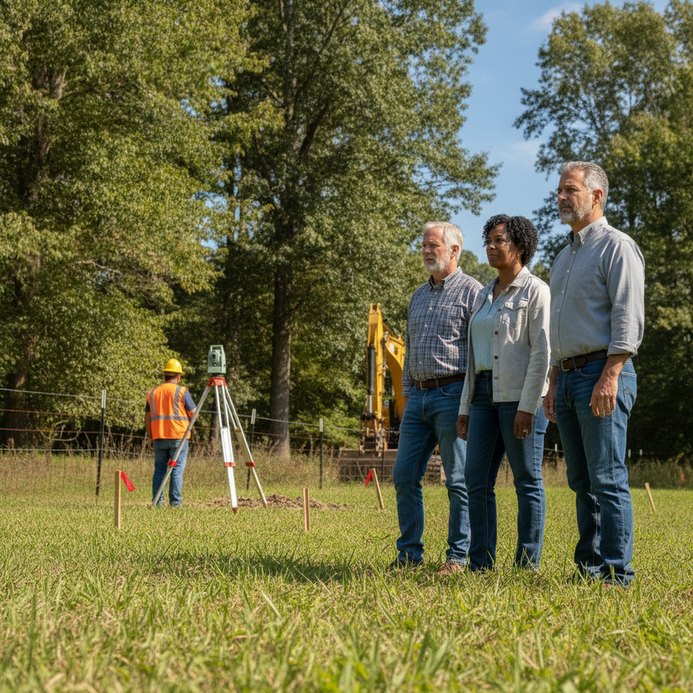
[Featured Image Placeholder: A worried property owner stands at the edge of their land, with a surveyor and construction stakes in the distance under a North Carolina sky. AI prompt: “A realistic scene of a concerned property owner looking at surveyor stakes and construction equipment on a green property in North Carolina, with blue sky and trees in the background, 4K, photorealistic.”]
Conclusion
Facing condemnation is never easy, but understanding north carolina condemnation property owner rights puts you in a stronger position. Take the time to learn your rights, ask questions, and seek help if you need it. Contact us to learn more.