Ever wondered what really happens when the North Carolina Department of Transportation (NCDOT) needs land for a new road or project? The NCDOT right of way acquisition process can feel overwhelming, but understanding it can make a big difference. In this guide, you’ll learn what right of way means, how the process works step by step, what your rights are, and how to get the best possible outcome if your property is affected.
What Is Right of Way and Why Does NCDOT Need It?
Let’s start with the basics. Right of way is the legal right for NCDOT or another public agency to use private land for a public purpose, like building or widening roads, adding sidewalks, or installing utilities. Maybe you’ve seen road crews working on a new highway or bike path. Many times, these improvements can’t happen without using some private property along the way. That’s where the NCDOT right of way acquisition process comes in.
When NCDOT needs part of your land, it’s not a surprise visit or something that happens overnight. There’s a careful process, guided by both federal and state law, to make sure property owners are treated fairly and compensated properly. The goal is to balance public needs (like safer roads or less traffic) with the rights of property owners. NCDOT has to follow specific steps and give you notice, options, and a chance to respond.
Step 1: Project Planning and Public Notice
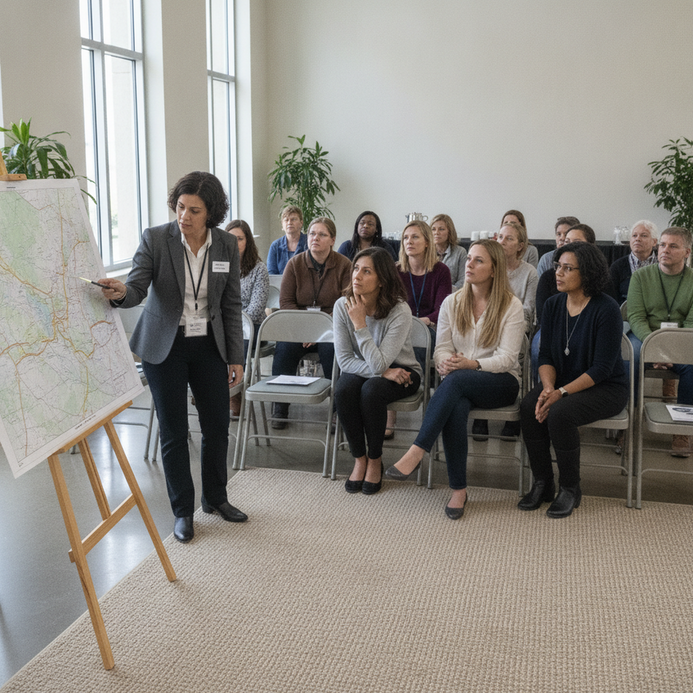
The right of way process usually begins long before you ever see a construction crew near your property. First, NCDOT launches a planning phase. Engineers and planners decide what improvements are needed and map out possible routes. This stage can take months or even years. It often includes environmental studies (to check for things like wetlands or protected species), traffic studies, surveys of the land, and several rounds of public meetings.
You might get a letter in the mail if your property could be in the project’s path. Sometimes, you’ll see announcements in local newspapers or hear about community meetings. These meetings are your chance to ask questions, give feedback, and find out how the project might impact your land or neighborhood. For example, if NCDOT is planning to widen a two-lane road near your house, you might learn about possible routes, timelines, and whether your property is in the area being considered.
At this stage, you don’t have to take any action, but staying informed is important. Even if you think the project is years away, attending meetings and understanding the timeline can help you plan ahead and avoid surprises.
Step 2: Surveying and Appraisal
Once the planning and initial design are mostly done, NCDOT needs to figure out exactly which properties are affected. This is when surveyors come onto the scene. Surveyors may walk your property, set up equipment, and mark boundaries or features with stakes and flags. If you see these markers or workers on your land, it’s a sign you’re in the project’s study area.
If your property is identified for possible acquisition, you’ll get an official written notice. This notice includes a copy of the survey map showing exactly what part of your land is needed. It’s not always the whole property. Sometimes it’s just a few feet along the road, or maybe a corner for a traffic signal.
After the survey, a licensed appraiser will schedule a visit. The appraiser’s job is to determine your property’s fair market value. They look at recent sales in your area, compare similar properties, and consider any improvements or special features. For example, if you have a well-maintained barn or a valuable stand of trees, those matter. If only part of your land is needed, the appraiser must also think about how losing that piece changes the value of what remains. Maybe it affects your driveway, reduces yard space, or impacts a business on the property.
You have the right to meet with the appraiser, point out special features, and share information they might not know. For example, maybe that old shed isn’t much to look at, but it’s essential for your landscaping business. Or perhaps the affected area includes a garden you’ve invested years in building up. The more information you share, the more likely the appraisal will reflect your property’s true value.
Step 3: The Offer and Negotiation
Once the appraisal is complete, NCDOT prepares a written offer to buy the needed portion of your property. This offer includes the appraised value, a summary of how NCDOT reached that number, and a detailed description of what’s being acquired. You’ll also get a map and an explanation of the project. The offer package is often delivered in person, but sometimes it arrives by certified mail.
You might wonder: Do I have to accept the first offer? The answer is absolutely not. This is your chance to review everything carefully. Compare the offer to your own knowledge of the property and the neighborhood. If you think the amount is too low, you have every right to get your own independent appraisal. Many property owners hire an experienced appraiser or an attorney who specializes in eminent domain cases to help review the offer and documents.
Negotiation is part of the process. You can ask questions, share additional information, and try to reach an agreement that’s fair. For example, maybe the NCDOT appraiser missed a recent home renovation that increased your property value. Or maybe the project will make it harder for delivery trucks to access your business, which could hurt your income. NCDOT may adjust their offer if you present solid evidence or a professional appraisal that supports a higher value.
What If You Can’t Reach Agreement?
Sometimes, negotiations stall. If you and NCDOT can’t agree on a price or terms, the agency can use a legal process called condemnation. This isn’t a punishment. It’s the legal term for taking private property for public use, as long as you’re paid fair compensation. Condemnation cases go to court, where both sides present evidence about the property’s value. The judge or jury then decides how much you should be paid.
Condemnation is usually a last resort. Most cases are settled before they reach this stage. But if you end up in court, you can hire your own legal and appraisal experts to support your case. Court-awarded compensation sometimes ends up being higher than the original offer, especially if you have strong evidence.
Step 4: Closing and Payment
Once you reach an agreement (either through negotiation or after a court decision), you move to closing. Closing is the final step where you sign documents transferring the needed land to NCDOT. In North Carolina, the law requires NCDOT to pay you before they take possession of your property. This protects you and ensures you aren’t left waiting for payment.
The payment usually comes as a lump sum, sent by check or direct deposit. If there’s a mortgage or lien on the property, some of the money may be used to pay that off first. You’ll also receive information about any relocation assistance if the project requires you to move your home or business.
Closing can feel a lot like selling a house, but it’s focused only on the specific land or easement NCDOT needs. You may have a closing agent or attorney present to make sure everything is handled properly. Keep copies of all closing documents for your records, they can be important if questions come up later.
Understanding Your Rights and Options
Losing part or all of your property to a public project is a big deal, but you have important rights throughout the NCDOT right of way acquisition process.
- You have the right to be paid “just compensation,” which means fair market value for the property taken. This is required by the U.S. Constitution and North Carolina law.
- You have the right to get your own independent appraisal and seek legal advice. Bringing in your own experts can help ensure the offer is fair.
- You can negotiate the offer and present your own evidence if you believe the value is higher or that the project will harm the rest of your property.
- If you can’t reach an agreement, you have the right to a court hearing, where both sides present their case.
- You may be eligible for help with moving or relocating your business if the acquisition affects your home or workplace.
For instance, if a road project only takes part of your land but leaves your house standing, you might still be entitled to extra compensation if the project lowers your property value or makes it harder to use the rest of your land. If you run a small business and lose parking or customer access, those impacts should be considered in the settlement.
It’s a good idea to keep detailed records of all communications, offers, maps, and documents you receive from NCDOT. Staying organized can help protect your interests, especially if you decide to challenge the offer or need to prove certain facts in court.
Special Cases: Partial Takings, Easements, and Relocation
Not every NCDOT right of way acquisition means losing your entire property. Sometimes, only a strip along the edge is needed, a situation called a partial taking. In these cases, NCDOT must also consider how the project affects the “remainder” property. For example, if a new road takes 10 feet off the front of your yard but leaves your house, you might lose landscaping, trees, or even privacy. If a business loses parking or driveway access, it could impact revenue. Compensation should factor in these “damages to the remainder.”