Wondering what happens to your property’s value if the government wants to buy it for a new road or public project? Understanding fair market value in North Carolina condemnation is key to knowing what compensation you could receive. In this guide, you’ll learn what fair market value means, how it’s determined, and what your rights are if your land is at risk. We’ll also walk through practical steps you can take, real-world examples, and common pitfalls to avoid.
What Is Condemnation and Why Does It Happen?
Condemnation is the legal process where the government takes private property for public use. This is usually possible under a law called eminent domain. In North Carolina, condemnation can happen for projects like highways, new schools, public parks, or expanding utility lines. If you’ve received a condemnation notice, it means the government sees your property as necessary for a project that’s meant to benefit the community.
It’s important to know that this isn’t about your property being unfit or dangerous. “Condemnation” here just means the state or local government wants to acquire your land, not that your property is condemned for being unsafe. If that happens, the law says you must be paid fairly, not simply what the government wants to offer. But what does “fair” really mean? That’s where the idea of fair market value comes in.
Defining Fair Market Value in North Carolina Condemnation
Fair market value is the price your property would likely sell for on the open market today, with both a willing buyer and a willing seller, and neither being forced to accept the deal. In North Carolina condemnation cases, fair market value is the main standard for deciding how much you should be paid if your land is taken for a public project.
The law is designed to keep you “whole”, meaning you get enough money to put you in the same financial position as before the condemnation. The fair market value should reflect your property’s true worth, not just its tax value or what a single buyer might offer in a hurry. It considers things like the property’s location, the neighborhood, the size and condition of the land or buildings, and the sales prices of similar properties nearby. This is supposed to keep things fair for both the government and the property owner.
How Is Fair Market Value Determined?
The process for figuring out fair market value in North Carolina condemnation cases is more than just a quick guess. It involves several steps and requires input from professionals who specialize in property values. Let’s examine the process:
The Appraisal Process
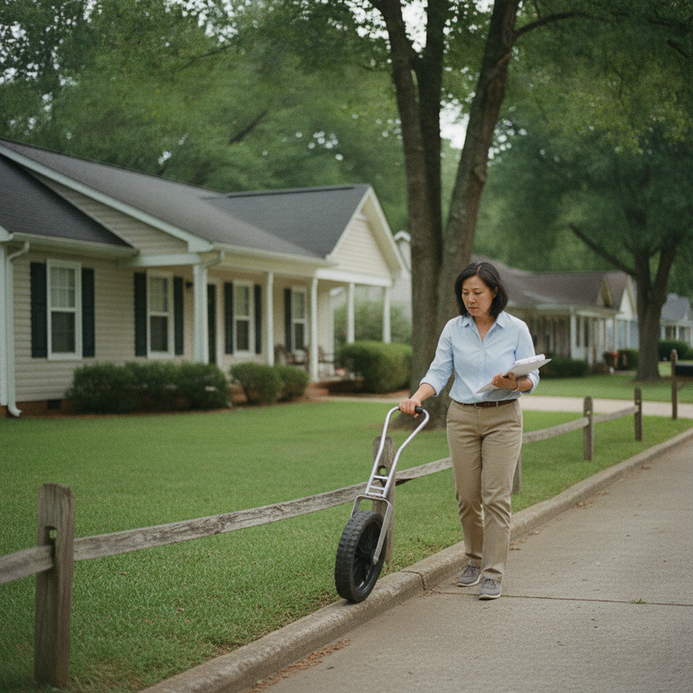
When the government starts the condemnation process, they’ll hire a professional appraiser to determine your property’s value. This appraiser will visit your land, walk the property, take measurements, snap photos, and compare it to other properties that have sold in your area.
The appraiser looks at several factors, including:
- Location and how easy it is to access the property
- Total size of your land and any buildings
- Age and condition of your home or other structures
- How your land is zoned and what it’s currently used for
- The history of nearby sales and broader market trends
- Any environmental restrictions or unique features
After the visit, the appraiser writes a detailed report showing how they reached their estimate. This report breaks down their methods, the “comparable sales” they used, and adjustments for differences. You’ll get a copy of this report along with the government’s first offer. Sometimes, the report uses technical language, but don’t be intimidated, you have a right to review it and ask questions.
Example: The Appraisal in Action
Let’s say you own a three-acre lot with a small house near a growing town. The government wants a piece for a new highway ramp. The appraiser looks up recent sales of similar lots with homes within a two-mile radius. If a nearby owner sold a similar property for $250,000 last month, but yours has a newer roof and a better view, the appraiser may adjust the value upward. If your property is next to a noisy street, they might adjust downward. It’s not an exact science, but it’s designed to be fair.
Your Right to a Second Opinion
You don’t have to accept the government’s appraisal as the final word. North Carolina law allows you to hire your own appraiser for a second opinion. Many property owners find that their independent appraiser discovers details or improvements the government’s appraiser missed. For example, maybe you recently remodeled your kitchen or added a garage, but those upgrades weren’t considered. Or perhaps your land has development potential that wasn’t factored in.
If your appraiser finds your property is worth more than the offer, you can use that information to negotiate for a higher payment. When there’s a big difference between the two appraisals, it’s common for negotiations to follow. If you and the government can’t agree, you have the right to take the case to court, where a judge or jury will decide the fair market value based on all the evidence.
Factors That Affect Fair Market Value
Not every property is valued the same way. Several key factors can make a big difference in what you’re offered in a North Carolina condemnation case.
Location and Surroundings
Location is often the biggest driver of value. If your property is in a busy city or near new development, buyers may be willing to pay more. Imagine two similar houses, one sits next to a new highway interchange, the other is in a remote rural area. The one closer to jobs, shopping, and schools may be worth more.
Also, what’s happening around you can affect the price. If a new commercial area is being built nearby, or a school district is growing, demand for your land could be higher.
Improvements and Land Use
Buildings, fences, wells, landscaping, and other improvements all add to the value. If you’ve made upgrades, like adding a guest house, finishing a basement, or putting in a swimming pool, make sure the appraiser knows about them. Even smaller touches, like a paved driveway or mature trees, can raise your property’s value.
It’s also important to consider how your property is used. Is it residential, commercial, agricultural, or vacant land? Zoning and allowable uses can impact value. For example, land zoned for commercial use may be worth more than land restricted to only residential use.
Comparable Sales
Appraisers rely heavily on “comps”, recent sales of similar properties nearby. If your neighbor sold their property last month for a high price, that can help support a higher value for yours. Sometimes, the comps used in the government’s appraisal might not match your property closely. If you know of a sale the appraiser missed, especially if it was for a higher price, gather details like the address, sale date, and price paid.
Special or Unique Features
Does your property have a mountain view, river access, or historic value? Unique features can make a big difference. Maybe your backyard overlooks a lake, or your land has a productive orchard. Even things like a rare tree species or a family cemetery plot can affect value. Document these features with photos and written descriptions, and share them with both appraisers.
Example: A Unique Feature Raises Value
Suppose your land includes an old barn that’s become a local landmark, or a stretch of creek popular for fishing. These unique aspects could make your property more desirable, and more valuable, than nearby lots without them.
What If Only Part of My Property Is Taken?
Sometimes, the government only needs a portion of your land. This is called a partial taking. In these cases, fair market value in North Carolina condemnation doesn’t just cover the part that’s taken. It may also compensate you for the impact on the rest of your property, what’s known as “diminution in value.”
For example, if losing a strip of your land cuts off the driveway to your house, the rest of your property might become less usable or less attractive to buyers. Or maybe a new highway on the edge of your property creates noise or blocks a scenic view. In these situations, the appraiser will look at how the remaining property’s value has changed because of the project.
Example: The Impact of a Partial Taking
Let’s say the government takes a 20-foot strip along the front of your property to widen a road. That strip includes your privacy hedge and three large trees. The rest of your yard is now much closer to traffic, and the loss of landscaping makes your home less appealing. The appraiser should estimate not just the value of the land taken, but also how much the remaining property’s value has dropped. This extra loss is included in your compensation.
Navigating the Negotiation Process
Once you receive the government’s offer, you have several options. You can accept the offer, try to negotiate for more, or challenge the amount in court. Here’s how to approach the process with confidence.
Review the Offer Carefully
Read the government’s appraisal report in detail. Check the math, the comps they used, and whether they included all the improvements and features of your property. Sometimes, things get missed, like a finished basement, updated kitchen, or a detached garage. If you spot a mistake or an omission, make a note.
Gather Your Own Evidence
If you believe the offer is too low, it helps to have facts on your side. Collect documents such as recent sales in your neighborhood, photos of improvements, receipts for upgrades, and property tax assessments. If you’ve had a recent private appraisal (for a refinance or estate planning), see if that value is higher and if the report includes details the government’s appraiser missed.