Why Community Property Initiatives Matter in North Carolina
Ever wondered how your voice can make a real difference when decisions about public projects are made? Community property initiatives are local efforts where residents work together on issues like land use, property rights, and public projects in their area. These initiatives give you a seat at the table, especially when big changes like new highways, utility lines, housing developments, or parks are on the horizon. In North Carolina, community property initiatives help make sure property owners and neighbors are heard before decisions are final. This guide will show you how to get involved, what to expect, and how your participation can protect your property and shape your community.
When local or state agencies plan new projects, the people who live in those areas are often the ones most impacted. Roads, schools, and public works can change neighborhoods in big ways, affecting property values, traffic, and the look and feel of your community. By joining together, North Carolinians can ensure local voices are part of the process. Whether you own property or simply care about your neighborhood, your input matters.
Understanding Community Property Initiatives
Community property initiatives are organized efforts by local residents to influence how land and property are used or managed. In North Carolina, these can range from neighborhood groups advocating for fair compensation during eminent domain projects to town-wide campaigns about zoning, development, or land conservation. The main goal is to build a stronger voice so local concerns are considered, not just government or developer interests.
Examples of initiatives include:
- Forming a coalition to request changes to a proposed highway route.
- Working with local officials to establish green spaces or preserve farmland.
- Rallying to protect historic neighborhoods from redevelopment.
- Creating petitions for safer pedestrian crossings in new road projects.
These efforts often start when there’s talk of a highway expansion, a new school, or a utility line running through residential or rural land. When people come together, they can push for better compensation, transparent planning, and protection of community assets like parks, playgrounds, or historic sites. The process usually involves meetings, public comment periods, and sometimes even legal action. Teamwork, staying informed, and clear communication are the keys to success.
How to Get Started with Local Engagement in North Carolina
Wondering where to begin? Getting involved in community property initiatives starts with a few simple steps. First, pay attention to public announcements. Local governments and agencies must notify the public before big projects begin. These notices might be mailed to affected property owners, posted online, or published in newspapers. Sometimes, you’ll spot signs posted on proposed project sites or see notice boards at city offices and libraries.
The next step is to attend public meetings. These are often held at town halls, libraries, or community centers. Meetings give you a chance to hear plans, ask questions, and share your perspective. Don’t worry if you’re new, most people start out just by listening. Over time, you’ll get comfortable joining the conversation and even speaking on behalf of your neighbors.
Other ways to get started include:
- Signing up for local government newsletters or alerts about planning and zoning.
- Following city or county social media for project updates.
- Reading local news stories about proposed changes in your area.
Finally, connect with your neighbors. Property owners facing similar issues can form groups, share information, and support each other. It’s easier to be heard as a group than as one person. Many communities in North Carolina have started neighborhood associations or action teams for exactly this reason. You might even find online forums or social media groups dedicated to local issues.
Steps to Form a Community Property Group
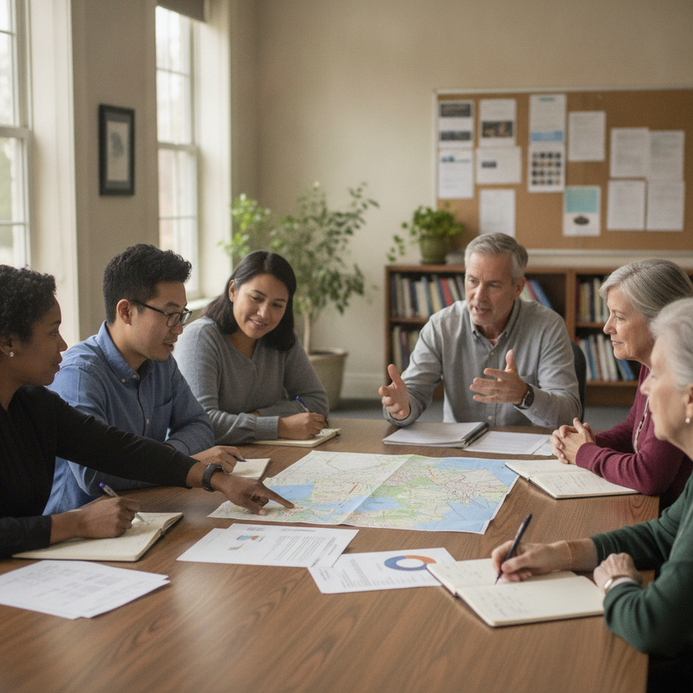
If you want to take the lead, forming a group is a practical way to organize your efforts. Here’s how you can do it:
- Identify others who are interested or affected. Knock on doors, post flyers, or use neighborhood apps to reach out.
- Hold an initial meeting to discuss goals and concerns. Share what you know and listen to others’ experiences.
- Assign roles, like a spokesperson, note-taker, or social media manager, to keep things organized.
- Research the project or issue thoroughly. Gather public documents, maps, and proposed plans. Visit your county or city’s planning office if needed.
- Decide how your group will communicate, email, group texts, social media, or regular in-person meetings. Make sure everyone can participate.
- Plan your next actions. This might include drafting letters to officials, speaking at public meetings, circulating petitions, or reaching out to local media.
Groups can also invite guest speakers, such as local planners, lawyers, or environmental experts, to help everyone understand the legal or technical details. Keeping detailed notes and sharing information widely makes your group more effective. Even small actions, like organizing a neighborhood walk to see the proposed site together, can help build momentum and shared understanding.
By working as a group, you’re more likely to get attention from decision-makers and local media. It also helps everyone stay informed and motivated. Remember, strong groups often mix skills, some people are great at research, others at speaking, and some at organizing events.
The Role of Public Meetings and Hearings
Public meetings are where community property initiatives really come to life. Local governments in North Carolina are required to hold these meetings before approving many public projects. This is your time to ask questions, share concerns, or suggest alternatives. Public hearings are often the last chance to make your voice heard before decisions are made.
Don’t be intimidated if it’s your first time. You can prepare by writing down your main points, bringing a fact sheet, or joining forces with neighbors. Many people find that just showing up makes a difference, decision-makers take notice when residents are engaged.
During these meetings, you might hear from government officials, engineers, planners, and sometimes representatives from companies involved in the project. These professionals use technical language, but don’t be shy about asking for plain explanations. It’s a good idea to listen carefully, take notes, and ask for clarification on anything that doesn’t make sense. That way, you can make informed comments and influence the outcome.
If you can’t attend in person, check if the meeting is available online or if there’s a way to submit written comments. Many North Carolina municipalities now allow remote participation or online comment forms. Consider organizing a group to speak together, several short statements from different people often have a bigger impact than one long speech.
Partnering with Local Organizations
Getting involved in community property initiatives doesn’t mean you have to do everything alone. Many local organizations in North Carolina can offer support. These might include land trusts, environmental groups, neighborhood coalitions, or legal aid organizations. You might also find university extension programs or planning nonprofits willing to help.
These partners can help you understand your rights, provide advice, or even offer legal representation if needed. For example, the North Carolina Department of Transportation regularly works with community groups to plan projects and address concerns. Environmental organizations can help with issues around conservation or land use, such as protecting wetlands or farmland.
Some organizations have experience negotiating with government agencies or developers. They might offer:
- Workshops on understanding public notices and legal documents.
- Help organizing public awareness campaigns.
- Sample letters or petitions you can adapt for your group.
- Access to expert speakers for your meetings.
If you’re not sure where to start, look for organizations with experience in property issues or community engagement. Local libraries and county extension offices often keep a list of resources. These partners can help you find information, connect with other groups, and make your efforts more effective. Don’t hesitate to reach out, many organizations are looking for active community partners.
Understanding Your Rights as a Property Owner
One of the biggest reasons to get involved in community property initiatives is to protect your rights. In North Carolina, property owners are entitled to fair compensation if their land is taken for a public project, a process called eminent domain. You also have the right to be notified, to attend hearings, and to voice your concerns before any land is acquired or work begins.
However, it’s easy to feel overwhelmed when faced with complicated plans or legal language. That’s why local engagement matters. By working together and seeking help from experts or organizations, you can make sure your interests are represented and that you fully understand your options.
Practical tips include reading every notice you receive, keeping records of all communications (letters, emails, meeting notes), and talking to professionals, like real estate agents, attorneys, or engineers, when needed. If a letter mentions “right of way acquisition” or “public easement,” don’t ignore it. Ask questions until you understand what’s proposed and how it might affect your property or community.
You don’t have to be an expert to participate. Asking for plain-English explanations, requesting maps or diagrams, and sharing what you learn with neighbors helps everyone. If you feel pressured to sign a document or agree to something you don’t fully understand, reach out for advice before acting. Protecting your rights is a team effort.
Success Stories: Real Change from Community Involvement
Across North Carolina, residents have seen real results from getting involved. For example, a group of rural homeowners once pushed back on a proposed transmission line route, convincing planners to reroute it to minimize property impacts. In another case, a community near a planned highway project worked together to negotiate better compensation and additional safety features for their neighborhood, such as sidewalks and sound barriers.