Ever wondered what really happens when the government or a utility company needs your land for a road, power line, or another public project? If you own property in North Carolina, it pays to know your rights under north carolina eminent domain law. This guide will walk you through what eminent domain means, how the process usually works, and what you can do to protect yourself and your property. By the end, you’ll understand the basics and know where to get help if you need it.
What Is Eminent Domain in North Carolina?
Let’s start with the basics. Eminent domain is the legal power for the government, or sometimes private companies, to take private property for public use. Think highways, schools, utilities, or parks. But there’s a catch, they must pay you “just compensation.”
In North Carolina, eminent domain laws are mostly shaped by state statutes, especially Chapter 40A of the North Carolina General Statutes. This law sets out when and how property can be taken, what counts as public use, and how property owners should be compensated. Eminent domain can be used by several groups, including state and local governments, the North Carolina Department of Transportation (NCDOT), and certain private companies working on public utilities.
So, if you receive a notice about a public project affecting your land, it’s likely tied to north carolina eminent domain law.
When Can Your Property Be Taken?
Not every public project triggers eminent domain, but several situations do. Here are some of the most common reasons your land might be targeted:
- Building or expanding highways, roads, or bridges
- Installing new utility lines or upgrading existing ones
- Expanding schools, parks, or other public facilities
- Creating new water and sewer infrastructure
The law requires that your property is only taken for a “public use.” That might sound simple, but what counts as public use can be complicated. For example, even private companies can sometimes use eminent domain if they’re working on a project that serves the public, like a water company building pipelines.
If you’re unsure whether your situation qualifies as public use, it’s a good idea to get advice early on.
How the North Carolina Eminent Domain Process Works
If your land is in the crosshairs of a public project, here’s a general outline of what happens next:
Notice and Appraisal
You’ll usually receive a formal notice from the agency or company that wants your land. This notice explains the project and what part of your property is needed. Next, the agency will send an appraiser to value your property. This appraisal is meant to figure out how much your property is worth on the open market.
Offer and Negotiation
After the appraisal, you’ll get a written offer. This is the amount the government or company thinks is fair compensation. You don’t have to accept the first offer. You have the right to negotiate, and you can even get your own appraisal to support your case.
Filing a Condemnation Action
If you and the agency can’t agree, the next step is a legal action called a “condemnation.” This doesn’t mean your property is unsafe, it’s just the legal term for the government moving forward to take the property. You’ll get notice of the court filing and a chance to respond.
Compensation and Possession
Once the process starts, the agency can take possession of your property after paying the amount they offered into the court. The court will decide if the taking is legal and what the fair compensation should be if you challenge the offer.
Your Rights as a Property Owner
Knowing your rights under north carolina eminent domain law can make a big difference. Here are some of the protections you have:
- The right to receive just compensation, usually based on fair market value
- The right to negotiate the amount offered
- The right to challenge the taking or the compensation in court
- The right to hire your own lawyer or appraiser
- The right to be informed and involved throughout the process
It’s important to remember that the first offer you get may not reflect your property’s true value. You have every right to push back if you think the offer is too low or if you believe the taking isn’t for a true public use.
How Compensation Is Determined
One of the biggest concerns for property owners is getting a fair deal. So, how do agencies decide what your property is worth?
The law says you should receive “just compensation.” In most cases, this means the fair market value of your property, the price a willing buyer would pay a willing seller. But there’s more to it:
- If only part of your property is taken, you may also be owed for damages to the remaining land.
- If the project affects your business, you might be entitled to additional compensation for losses.
- If you have to move, you may be eligible for relocation expenses.
You can bring in your own experts, like appraisers or real estate professionals, to support your claim. Don’t be afraid to ask questions or challenge the numbers.
Challenges and Defenses Against Eminent Domain
You might think you have to accept the government’s decision, but property owners do have options to fight back.
Challenging Public Use
If you believe the project isn’t truly for public use, you can challenge the taking in court. Courts will look at whether the project really benefits the public, not just a private company or group.
Disputing Compensation
If you think the offer is too low, you can present your own evidence. This could include another appraisal, evidence of unique property features, or proof that the project will lower the value of your remaining land.
Seeking Legal Help
Many property owners work with lawyers who specialize in north carolina eminent domain law. These professionals understand the process and can help you get the best possible outcome. In some cases, legal fees may even be recoverable if you win your case.
Frequently Asked Questions About North Carolina Eminent Domain Law
Who can use eminent domain in North Carolina?
In North Carolina, state and local governments, the North Carolina Department of Transportation, and certain private companies providing public utilities can use eminent domain. Each must follow specific procedures and can only take property for public use.
What counts as ‘just compensation’?
Just compensation is usually the fair market value of the property being taken. It can also include damages to the rest of your land or business losses. If you have to move, you may be entitled to relocation costs.
Can I stop the government from taking my land?
You can challenge the taking if you think it’s not for public use or if the process wasn’t followed correctly. Courts will make the final decision. Even if the taking goes forward, you have the right to fight for fair compensation.
Do I need a lawyer for eminent domain cases?
While you don’t have to hire a lawyer, having one can help you navigate the process, understand your rights, and negotiate better compensation. Many lawyers offer free consultations for these cases.
Practical Example: Highway Expansion Impact on a Family Farm
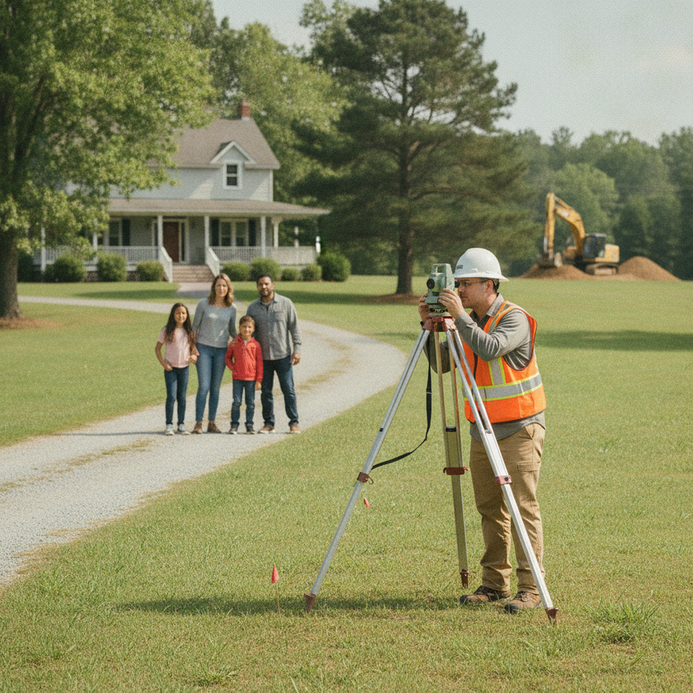
Imagine a family farm in rural North Carolina. The state announces a new highway project that will cut through part of their land. The family receives a notice, then an appraiser comes out to estimate the value of the portion needed. The initial offer feels low, so the family hires their own appraiser and negotiates a better deal. Even after the highway is built, they’re compensated for the impact on the rest of their farm, not just the land taken. This example shows why it’s important to know your rights and get expert advice.
Image Placeholder
A realistic illustration of a North Carolina surveyor marking property lines on a sunny day, with a family watching from their porch and construction equipment visible in the background. Suburban-rural setting, clear details, and a friendly atmosphere.
Conclusion
Understanding north carolina eminent domain law is essential if your property may be affected by a public project. Knowing your rights can help you protect your land and ensure you receive fair compensation. Contact us to learn more.