Ever wondered who actually has the power to take private property for public projects in North Carolina? If you own land, this question matters a lot. In this guide, you’ll learn exactly who can take property under North Carolina eminent domain laws, how the process works, and what to expect if your property is targeted for public use.
What Is Eminent Domain?
Eminent domain is the legal power that allows certain entities, usually government bodies, to take private property for a public purpose. In exchange, the owner must receive fair compensation. In North Carolina, eminent domain is often used for roads, schools, utilities, and other infrastructure needed for the community. This process is rooted in both state and federal law, and it’s designed to balance the needs of society with the rights of property owners.
You might be thinking, “Does this mean anyone can take my land if they call it public use?” Not quite. North Carolina law puts strict limits on who can exercise this power.
Who Has the Power of Eminent Domain in North Carolina?
The main question is: who can take property under North Carolina eminent domain? Not just anyone. The law spells out several types of entities with this authority, and each must follow specific steps.
State and Local Government Agencies
The most common users of eminent domain are state and local government agencies. This includes:
- The North Carolina Department of Transportation (NCDOT), which often acquires land for new highways, road expansions, or safety improvements.
- City and county governments, which may need property for public schools, government buildings, parks, or local road projects.
These agencies must prove they need the property for a public purpose. They also have to follow the rules for notifying owners and offering compensation.
Utility Companies and Public Service Corporations
Some private companies also have the power of eminent domain in North Carolina, but only for specific needs. These are usually utility companies or public service corporations providing essential services. For example:
- Electric power companies may need land to install power lines or substations.
- Water and sewer providers can acquire land for lines or treatment plants.
- Gas pipeline companies sometimes need property to build or expand service.
Before they can take property, these companies must show that the project serves the public good. They also have to go through a legal process to ensure fairness.
Railroads and Transportation Authorities
Railroads have a long history with eminent domain. In North Carolina, both private and public transportation authorities can take property for rail lines, stations, or related infrastructure. These projects must serve a clear transportation need that benefits the public.
Special Districts and Other Entities
Less commonly, special districts like airport authorities, sanitary districts, or drainage commissions might use eminent domain for projects like airport expansions or flood control. Each type of entity is only allowed to use this power for the reasons listed in state law.
What Counts as a “Public Use” or “Public Purpose”?
Knowing who can take property under North Carolina eminent domain is only part of the puzzle. The law also limits why land can be taken. The property must be needed for a public use or public purpose.
Common Examples of Public Use
- Building or widening highways and roads.
- Creating public parks, schools, or libraries.
- Installing water, sewer, or power lines.
- Constructing public buildings, like fire stations or courthouses.
The key is that the project must benefit the community, not just a private company. Sometimes there’s debate about what counts. For example, taking land for a private business that promises jobs is much more controversial and is tightly limited under North Carolina law.
Limitations on Private Benefit
North Carolina is stricter than some other states. The state constitution and laws protect against taking private property mainly to benefit another private party. After some high-profile court cases, the law now requires a clear, direct public benefit before eminent domain can be used.
The Eminent Domain Process: How Does It Work?
Understanding who can take property under North Carolina eminent domain means also knowing how the process unfolds. Here’s what typically happens:
Notification and Offer
The authorized entity (like NCDOT or a utility company) must first notify you in writing that they want to acquire your property. They’ll offer what they believe is fair market value based on an appraisal. This is called a “good faith offer.”
Negotiation
You don’t have to accept the first offer. Property owners can negotiate or hire their own appraiser to get an independent estimate.
Filing a Condemnation Action
If you can’t agree on a price, the agency may file a legal action called “condemnation” in court. This doesn’t mean your property is bad, it’s just the legal term for taking property under eminent domain.
Determining Compensation
A judge or jury will decide how much you should be paid if you and the agency can’t agree. The law says you’re entitled to just compensation, meaning the fair market value of your property at the time of the taking.
Who Can’t Take Your Property Under Eminent Domain?
You might be relieved to know that eminent domain powers are not given to just anyone. Here’s who cannot take your property under North Carolina eminent domain:
- Private individuals acting for personal gain.
- Businesses or developers who do not provide a public service as defined by law.
- Homeowners’ associations or neighborhood groups.
If someone outside the approved list tries to claim your land, they are acting outside the law. You have the right to challenge any unauthorized attempt.
What Rights Do Property Owners Have?
It’s natural to feel anxious if you learn someone wants to take your property. But North Carolina law gives you important rights:
- The right to receive written notice and a clear explanation of the public need.
- The right to fair compensation based on your property’s value.
- The right to negotiate or contest the amount offered.
- The right to challenge the taking in court if you believe it’s not truly for public use.
You can also hire your own lawyer or appraiser. Many property owners find it helps to have expert support to make sure they’re treated fairly.
Real-World Examples: Eminent Domain in Action
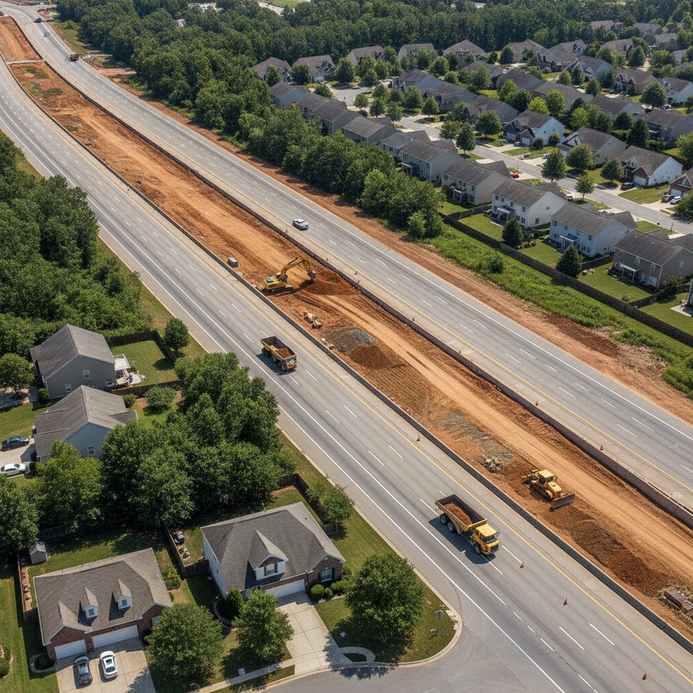
Let’s look at a few examples of who can take property under North Carolina eminent domain and why:
- The NCDOT needs land from several homeowners to widen a busy highway. The department offers compensation, but some owners negotiate for more money based on independent appraisals.
- A local water authority wants to build a new water treatment plant. They acquire a rural property after showing the project is necessary for clean water in the area.
- An electric company needs to install new power lines after a hurricane. The company works with landowners to set a route and pay for the land used.
These examples show that eminent domain is used for projects with a clear public benefit, and it follows a step-by-step process with checks and balances.
[IMAGE: A North Carolina neighborhood with a highway expansion under construction, showing nearby homes and construction equipment. AI image prompt: An aerial view of a North Carolina residential area with homes adjacent to a highway being widened, visible construction machinery, and green trees, midday light.]
What Should You Do If Faced With Eminent Domain?
If you receive notice that your property might be taken, don’t panic. Here’s what property owners in North Carolina usually do:
- Read the notice carefully and make sure the entity is authorized under state law.
- Ask for all documents and appraisals related to your property.
- Consider hiring your own independent appraiser.
- Talk to a lawyer who specializes in eminent domain. Legal advice can help you understand your rights and whether the taking is valid.
Remember, you have options. You can negotiate for higher compensation or challenge the project if you think it’s not truly for public use.
Key Takeaways
The question of who can take property under North Carolina eminent domain isn’t just a legal technicality, it’s about protecting your rights as a property owner. Only certain government agencies, utilities, and public service groups can use this power, and only for projects that clearly benefit the public. If you’re facing eminent domain, don’t go it alone. Contact us to learn more.