Ever wondered what happens if the government wants to take your land for a new road or utility project? In North Carolina, property owners have a right to just compensation when their property is acquired through eminent domain. This guide breaks down what just compensation means under North Carolina eminent domain law, how it’s calculated, and what you can do to protect your interests.
What Is Eminent Domain and Why Does It Matter?
Eminent domain is the government’s power to take private property for public use, such as building highways, schools, or public utilities. It can sound unsettling, especially if you imagine someone knocking on your door to announce a highway is going through your backyard. But there are strict rules meant to keep the process fair. The law says you must get fair payment for your property, this is called just compensation.
In North Carolina, not just the state government but also local governments, transportation agencies, and even certain utility companies can use eminent domain. The main idea is to make sure big public projects can happen while also protecting the rights of property owners. But sometimes, the balance tips, and owners end up fighting for what they’re owed. Knowing what just compensation really means is the first step to protecting yourself.
Defining Just Compensation: What Should You Get?
Just compensation in North Carolina eminent domain cases means the fair market value of your property at the time it’s taken. Fair market value is what a willing buyer would pay a willing seller in an open market. It isn’t about what you paid for your property years ago or what you think it’s worth because of family history. It’s what it would sell for under normal circumstances today.
But compensation doesn’t always stop at the land’s value. If the government takes only part of your property, you may also get money for damages to what’s left. These are called “severance damages.” For example, if your land is divided by a new road, making it harder to use or reach, you might deserve extra payment.
The law also looks at more than just the dirt and grass. Owners can be compensated for:
- The value of any buildings, structures, crops, or other improvements on the land
- Loss of access if the project limits your driveway or changes how you can use the property
- Loss in value to the remaining property after the taking
- Costs to relocate if your home or business is directly affected
- Special circumstances, like environmental damage or loss of utilities
Let’s put this into a real-life context. Suppose you run a roadside produce stand, and a highway expansion takes some of your parking lot. You could lose not just land, but part of your customer base. Just compensation should factor in those lost business opportunities, not just square footage.
How Is Just Compensation Determined in North Carolina?
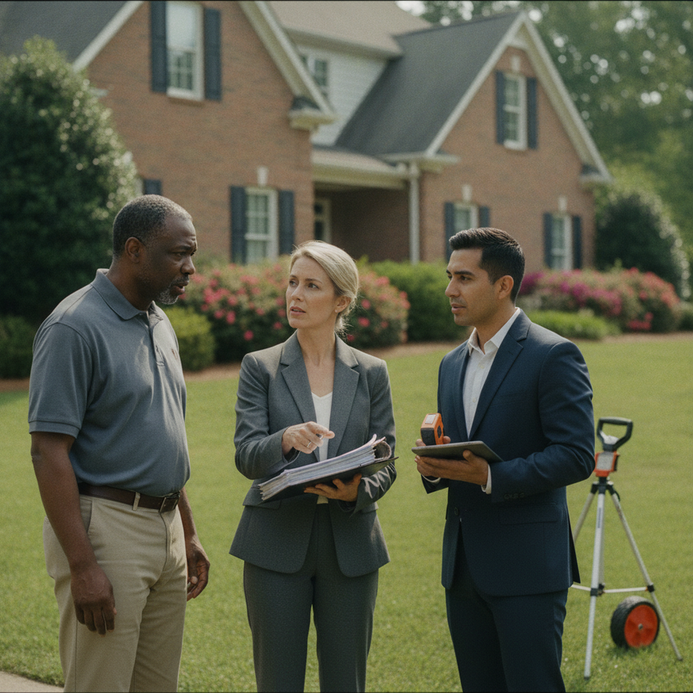
So how do you figure out what’s fair? Both the government (or whoever is taking your land) and you, the property owner, usually hire independent appraisers. These are experts who look at recent sales, local market trends, and every unique thing about your property.
The Appraisal Process
An appraiser actually comes out to your land. They don’t just guess based on a map, they walk the property, measure buildings, check out improvements, and see how it compares to similar properties nearby. For farmland, they might look at soil quality, access to water, or crop yields. For a store or business, they’ll examine income potential, customer traffic, or unique features that make your operation work.
The appraiser’s goal is to come up with a number that reflects what your property would bring if you sold it today. They’ll also look at whether the property’s best use is about to change, say, if your land is zoned for commercial development in the near future. All of this detail goes into the final value.
Dealing with Partial Takings
Sometimes, the government only takes a portion of your property. Maybe they need a strip of land for a new sidewalk, or a corner for a utility station. In these cases, it’s not just about what’s taken, it’s about what’s left behind. Is your remaining property less valuable because of the project? For example, if a new road leaves you with two awkward, smaller lots instead of one useful piece, you could be owed additional compensation.
Appraisers use a “before and after” approach. First, they estimate your property’s market value before the taking. Then, they assess what it’s worth after the project is complete. The difference between the two values, plus the value of the land actually taken, is supposed to make you whole.
When Owners and Authorities Disagree
What happens if the government’s offer feels too low? You’re not stuck, you have options. In North Carolina, you can negotiate, present your own appraisal, or go to court. Many owners find that the initial offer is just a starting point.
If you can’t reach an agreement, a judge or jury may end up deciding. In court, both sides present their appraisals and evidence. The judge or jury considers all the facts and sets the amount of just compensation. Sometimes, the process can take months, but it’s often worth it if the first offer missed key details about your property’s value.
What Property Owners Need to Watch For
Getting that first letter about eminent domain can feel overwhelming. But you have rights and options. Here are some things every North Carolina property owner should be aware of:
- Don’t rush. Take time to review the offer and talk to professionals. The first offer is rarely the best you can get.
- Get your own appraisal. An independent expert helps you understand what your property is truly worth, especially if you have unique features or business interests.
- Look beyond the land. Compensation isn’t just for dirt and buildings. Think about how the project affects your use, income, or enjoyment of the property.
- Factor in relocation costs. If you have to move your home or business, you may be owed money for moving expenses, lost business time, and even finding a new location.
- Know your deadlines. North Carolina law sets specific timelines for responding to offers, filing objections, and going to court. Missing a deadline can limit your options.
- Consider future impacts. Sometimes, a project affects your property long after construction ends. For example, increased noise, flooding, or loss of privacy could lower your property’s value down the road. These impacts can sometimes be compensated, but only if you raise them during negotiations or in court.
Common Questions About Just Compensation in North Carolina Eminent Domain
What if my property has special value to me?
A lot of people feel their home or land is worth more than any amount of money, especially if it’s been in the family for generations. The law, though, focuses on market value. Sentimental value isn’t included in just compensation. But if you’ve made unique improvements, like a custom workshop, special landscaping, or a rare fruit orchard, make sure your appraiser knows. Sometimes, these unique uses bump up the market value, especially if another buyer would pay extra for them.
Can I challenge the government’s appraisal?
Yes, and many owners do. If you don’t agree with the offer, you can hire your own appraiser to give an independent opinion. You can then use that report to negotiate for a higher amount. If you still can’t reach an agreement, you can go to court. This process is called a condemnation proceeding, and it’s how disagreements about value are resolved.
What is a condemnation proceeding?
A condemnation proceeding is the legal process where the government asks a court for permission to take your property when you can’t agree on a price. The court decides if the taking is legal and how much you should be paid. You’ll have a chance to present evidence, question the government’s appraiser, and argue for a higher value.
Will I get paid for moving costs?
Yes, in many cases. Federal and state laws require the government to help cover reasonable moving expenses if you’re forced to relocate your home or business. This can include the cost of movers, temporary housing, and even lost business income while you set up in a new place. These payments are usually separate from the main compensation for your land.
How long does the process take?
The timeline can vary. Sometimes, if you and the government quickly agree on a value, the process is over in a few months. If you go to court, it can take a year or more. The key is to stay organized and meet each deadline so you don’t lose your rights.
Steps to Protect Your Rights During Eminent Domain
If you’re facing an eminent domain action in North Carolina, here’s what you should do to protect yourself and get the compensation you deserve:
- Read all notices and documents as soon as you get them. Make a file where you keep everything related to your case.
- Contact an experienced appraiser who knows how eminent domain works in North Carolina. Their report will be crucial if you need to negotiate or go to court.
- Talk to a lawyer who specializes in eminent domain. Most offer a free consultation and can explain your rights in plain language.
- Gather records, old deeds, tax statements, photos of your property, and receipts for improvements. These help show how much your property is really worth.
- Ask questions at every step. If something doesn’t make sense, keep asking until you understand. Don’t be afraid to challenge the government’s numbers or methods.