Ever felt like the government or a public agency took part of your property without paying for it? You’re not alone. North Carolina has a law that might help: the 136 111 inverse condemnation North Carolina statute. In this guide, you’ll learn what this law is, how it works, and what you can do if your property is affected by public projects like highways or utility lines. If you’re worried about your rights or fair compensation, keep reading to get clear answers and practical steps.
What Is Inverse Condemnation Under GS 136-111?
Inverse condemnation is a legal process that helps property owners when the government takes or damages property for public use without following the usual eminent domain procedures. Normally, the government must file a lawsuit and pay before taking your land. But sometimes, they cause harm to your property without going through the right legal steps. That’s where the 136 111 inverse condemnation North Carolina law comes in.
This statute lets property owners start a lawsuit against the government or a public agency after their property has been affected. Instead of waiting for the government to file first, you get to take the lead and ask the court to recognize what’s happened and make sure you’re paid fairly. It’s the “inverse” of the usual process because the property owner, not the government, is the one bringing the case.
How GS 136-111 Works: The Basics
GS 136-111 gives property owners a right to seek compensation if a public project damages or takes their land without proper procedure. Here’s a simple breakdown of how it works in practice:
First, let’s say a new road project causes flooding on your property, or a power line is built overhead, making part of your land unusable. If the government didn’t file an eminent domain action and offer you payment, you might have a claim under the 136 111 inverse condemnation North Carolina law.
You can file a lawsuit in your county’s superior court. The court will look at the facts to decide if your property was really taken or damaged for public use. If the court agrees with you, it orders the government to pay you just compensation, meaning a fair market value for what you lost. This process helps level the playing field when the usual eminent domain process is skipped.
When Can You Use GS 136-111?
Not every inconvenience or loss counts as a “taking.” The law is specific about when you can use it. Here are some situations where the 136 111 inverse condemnation North Carolina statute may apply:
- A highway expansion makes access to your business difficult, cutting off customers and hurting your income.
- Construction work causes flooding or erosion on your land.
- Utility lines are installed above or below your property, limiting how you can use it.
- Noise or pollution from a public project makes your home less valuable.
In these cases, if the government didn’t follow the normal steps or offer you compensation, GS 136-111 gives you a way to ask for what’s fair. But if the impact is minor or temporary, or if it doesn’t affect your property’s value much, you might not have a strong case. Courts look for real, measurable harm or loss of use.
Steps to Bring an Inverse Condemnation Claim in NC
Filing under GS 136-111 isn’t as simple as telling the government you’re unhappy. You’ll need to follow certain steps to make your case strong. Here’s what the process usually looks like:
- Gather evidence. Take photos, save documents, and keep records of how the public project has affected your property.
- Get an appraisal. Have a professional estimate how much value your property lost or how much damage was done.
- File a complaint in the superior court for your county. This legal document explains what happened and why you believe the government owes you compensation.
- The government responds. They may argue that no “taking” occurred or that your losses aren’t big enough to qualify.
- The court decides. If the court finds in your favor, it will order the government to pay you just compensation.
You don’t have to handle this alone. Many property owners work with attorneys who focus on eminent domain and property rights cases. They can help you understand your rights and build a solid case.
What Counts as “Just Compensation”?
The heart of any 136 111 inverse condemnation North Carolina claim is compensation. But how do you know what’s “just”? In most cases, the law says you should be paid the fair market value, the amount a willing buyer would pay if you sold the property before the government project started.
This can include not just the value of land taken, but sometimes the loss in value to the rest of your property. For example, if only part of your land is taken but the rest becomes much less useful or valuable, you may be entitled to payment for that loss, too. Experts like appraisers and real estate professionals are often brought in to help figure out the right amount.
Keep in mind: If you and the government don’t agree on the amount, the court will decide. Sometimes, these cases can take time to resolve, especially if the facts are complicated or the loss is hard to measure. But GS 136-111 gives you a clear legal path to seek what’s fair.
Common Questions About GS 136-111 Inverse Condemnation
Can I file a claim if only part of my property is affected?
Yes. If a public project damages part of your property or makes it less valuable, even if they didn’t take the whole thing, you may still have a claim.
How long do I have to file a claim?
There’s a time limit called a “statute of limitations.” In North Carolina, you usually have three years from the date you discover the taking or damage to your property. Acting quickly helps protect your rights.
Do I need a lawyer?
While you’re not required to have a lawyer, having one can be a big help. Eminent domain law is complicated, and experienced attorneys know how to collect evidence, negotiate, and present your case in court.
Does GS 136-111 apply to all types of property?
It covers a wide range, including homes, businesses, farms, and undeveloped land. If a public project affects your property, it’s worth exploring your rights under this law.
Real-World Example: Highway Expansion in North Carolina
Imagine you own a small business along a rural road. The state decides to widen the highway, and during construction, the road in front of your shop is blocked for months. Customers can’t reach you, and your sales drop. Later, you notice water runoff from the new road floods part of your land after heavy rains.
If the state never filed an eminent domain action or offered you payment for these impacts, you could file under the 136 111 inverse condemnation North Carolina statute. You’d gather evidence of the lost sales, the physical changes to your property, and the flooding. With the right proof, the court could order the state to pay you for the harm done.
Tips for Protecting Your Rights
Dealing with government projects can feel overwhelming. Here are some simple things you can do if you think your property is affected:
- Document everything. Take photos, keep notes, and save letters or notices you get from agencies.
- Don’t wait. The sooner you act, the better. Time limits can sneak up on you.
- Talk to an expert. A lawyer who knows eminent domain law can guide you and help you decide your best next steps.
[Inline Image Placeholder]
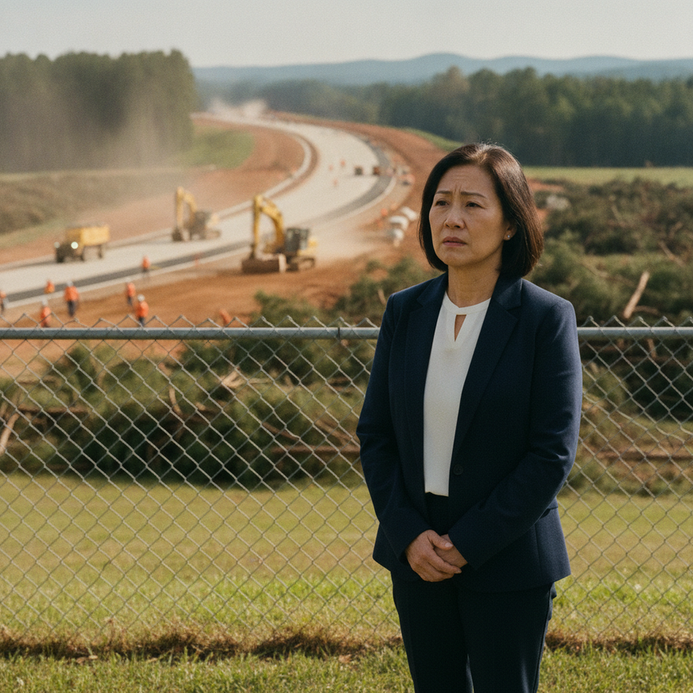
Alt text: A North Carolina homeowner stands at the edge of their property, looking at new construction equipment and a partially built road where trees once stood. The scene shows the contrast between private property and public development, with visible concern on the owner’s face.
AI image prompt: North Carolina homeowner at property edge, watching highway construction equipment clearing trees, partially built road, sunny, realistic, concern visible.
Conclusion
The 136 111 inverse condemnation North Carolina statute gives property owners a way to stand up for fair treatment when public projects go too far. If you think your land has been taken or damaged without proper compensation, you have legal rights worth protecting. Contact us to learn more.