Ever wondered what happens if the government takes or damages your property, but never officially files an eminent domain lawsuit? You’re not alone. Many North Carolina property owners find themselves facing construction, road expansion, or utility projects that affect their land, sometimes without clear notice or fair compensation. That’s where understanding the inverse condemnation statute of limitations in North Carolina becomes crucial. In this guide, you’ll learn what inverse condemnation is, how the statute of limitations works, why deadlines matter, and what steps you should take if you think your property rights have been violated.
What Is Inverse Condemnation?
Inverse condemnation sounds complex, but the idea is pretty simple. Normally, when the government wants to take private land for a public project, it goes through a formal eminent domain process. In that process, you’re supposed to get notice and payment. But sometimes, the government (or a public utility) uses or damages private property without following the usual rules.
When that happens, you as the property owner have the right to start a lawsuit against the government. This lawsuit is called an inverse condemnation claim. You’re basically telling the court: “The government took or damaged my property, and didn’t pay me. I want fair compensation.”
Inverse condemnation claims can come up in many situations. Maybe a highway expansion cuts off access to your business. Maybe a new drainage system floods your land. Or maybe a utility company’s equipment takes up part of your yard. If you weren’t paid or notified properly, you may have a case.
Why Statute of Limitations Matters
Here’s where things get tricky: you don’t have forever to file an inverse condemnation claim. The law sets a time limit, called the statute of limitations. If you miss this deadline, you could lose your right to compensation, no matter how strong your case is.
The inverse condemnation statute of limitations in North Carolina is a key part of protecting your rights. The law ensures that disputes are resolved in a reasonable time, and that evidence doesn’t get lost. But figuring out when the clock starts ticking can be confusing.
The Statute of Limitations for Inverse Condemnation in North Carolina
So, what exactly is the statute of limitations for inverse condemnation in North Carolina? Under state law, you generally have ten years from the date the government action occurred to file your claim. This is set out in North Carolina General Statutes Section 1-56, which covers certain actions not otherwise specifically outlined elsewhere.
But here’s the catch: the ten-year period doesn’t always start when the bulldozers arrive. Instead, it usually begins when you first realize (or reasonably should realize) that your property has been affected. Sometimes, the damage is obvious, like a new road cutting through your land. Other times, it’s subtle, such as gradual flooding or loss of access.
Let’s look at a few examples. If a new highway is built and your driveway is blocked, the clock likely starts as soon as the construction is complete and the impact is clear. If a drainage pipe causes slow, long-term erosion, the timeline might start when you notice the damage and connect it to the public project.
Missing the ten-year window can mean you lose all rights to compensation. That’s why it’s so important to act quickly if you think your property has been taken or damaged by a public project.
Key Events That Start the Clock
Understanding when the statute of limitations clock starts is critical. The law uses a concept called “accrual”, meaning the moment your claim becomes possible. In other words, when did you know, or should you have known, that the government’s action affected your property?
Here are some things that might trigger the start of the statute of limitations:
- A new road or utility project physically touches your land.
- You lose access to your property because of a public project.
- A government action causes flooding, erosion, or other damage to your land.
- Equipment or materials are placed on your property without your consent.
Sometimes, the impact is delayed or hard to notice right away. For example, if water runoff slowly damages your property over time, figuring out when you “should have known” can be tricky. Courts look at when the damage became clear enough that a reasonable person would have acted on it.
If you’re not sure when your claim might have started, it’s a good idea to speak with an expert. The sooner you get advice, the safer your rights will be.
How to Protect Your Rights: Steps to Take
If you suspect your property has been affected by a public project and you didn’t get paid or notified, don’t wait. Here are some practical steps you can take to protect your rights:
- Document everything. Take photos, keep notes, and save any letters or notices you receive.
- Track when you first noticed the problem. Write down the date you saw damage or lost access.
- Gather information about the public project. Try to find out which agency or company is responsible.
- Talk to neighbors. Sometimes others have similar issues, and their experiences might help your case.
- Consult a professional. An attorney who understands North Carolina eminent domain law can help you figure out if you have a case and make sure you don’t miss any deadlines.
Waiting too long can seriously limit your options. Even if you’re not sure you want to file a claim, getting advice early can make a big difference.
What Happens If You Miss the Statute of Limitations?
Missing the inverse condemnation statute of limitations in North Carolina is a serious problem. If you file your claim after the deadline, the court will likely dismiss your case, no matter how unfair the situation feels. This leaves you without compensation for your loss.
There are very few exceptions to this rule. Sometimes, if the government actively hid what they were doing, or the damage was impossible to detect, a court might allow a late claim. But these cases are rare. In most situations, the ten-year deadline is firm.
That’s why it’s important to stay alert. If you see signs that a public project is affecting your property, don’t put off getting help. The sooner you act, the better your chances of a fair outcome.
Real-World Examples of Inverse Condemnation in North Carolina
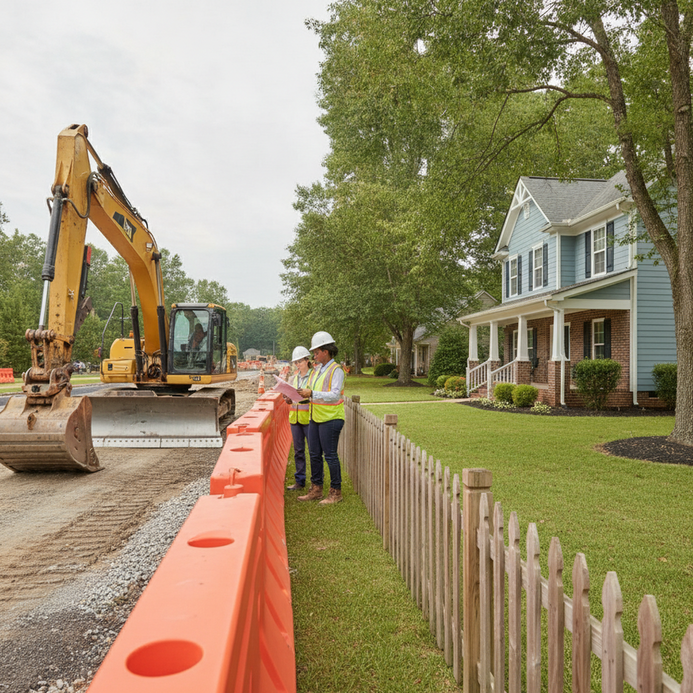
It helps to see how these rules play out in real life. Here are a few examples of inverse condemnation cases from across North Carolina:
- A family farm loses access to a main road after a highway expansion. The owners notice right away and take action within the statute of limitations. They eventually win compensation in court.
- A small business finds its parking lot partially blocked by a utility company’s new equipment. The owner takes photos, keeps records, and files a claim within a few years, well within the ten-year window.
- A homeowner notices gradual flooding of their backyard after a city drainage project. Unsure at first, they wait several years before seeking advice. Thankfully, their claim still falls within the deadline, and they’re able to recover some of their losses.
In each of these cases, the key factor was knowing about the statute of limitations and acting before the deadline passed.
Why Legal Guidance Makes a Difference
The laws around inverse condemnation statute of limitations in North Carolina can be complex. Each case is different, and small details can change the outcome. Having someone on your side who understands state law, court rulings, and the tactics used by public agencies can make all the difference.
A legal professional can help you:
- Determine if you have a valid inverse condemnation case.
- Identify when your statute of limitations clock started.
- Gather and present the best evidence for your claim.
- Negotiate with government agencies or utilities on your behalf.
Don’t be afraid to ask questions or get help. Many property owners worry about the cost or hassle involved, but missing a deadline can be far more costly in the long run.
Conclusion
Understanding the inverse condemnation statute of limitations in North Carolina is essential for any property owner facing a public project. The ten-year deadline may sound generous, but acting quickly is the safest way to protect your rights and your wallet. If you suspect your property has been taken or damaged without fair compensation, don’t wait. Contact us to learn more.